
How Does a Weight Distribution Hitch Work?

Jan 12, 2022
How Does a Weight Distribution Hitch Work?

Most people who have hauled a trailer have experienced that heart-pounding moment when the trailer begins swaying back and forth, that is, unless they use a weight distribution hitch. These devices are a must when it comes to towing a trailer. So, how does a weight distribution hitch work?

How Does A Weight Distribution Hitch Work?

To answer the question, “how does a weight distribution hitch work” it should be said that a weight distribution hitch works, in a sense, by distributing the weight more evenly to the tow vehicle. So what does that mean exactly? A weight distribution hitch alters the point where the load from the trailer is transferred to the vehicle. Rather than the weight being centered on the point where the trailer and vehicle connect, the weight distribution hitch distributes the weight across the axels of the vehicle and trailer. Having too much tongue weight based on the gross trailer weight can the trailer hitch and the tow vehicle’s rear axels to dive. This can be visibly seen as the front of the trailer goes toward the ground and the front of the tow vehicle raises up. If this is too extreme, your vehicle can lose the ability to get traction and brake properly, which is very dangerous.

Weight Distribution Hitch Basics

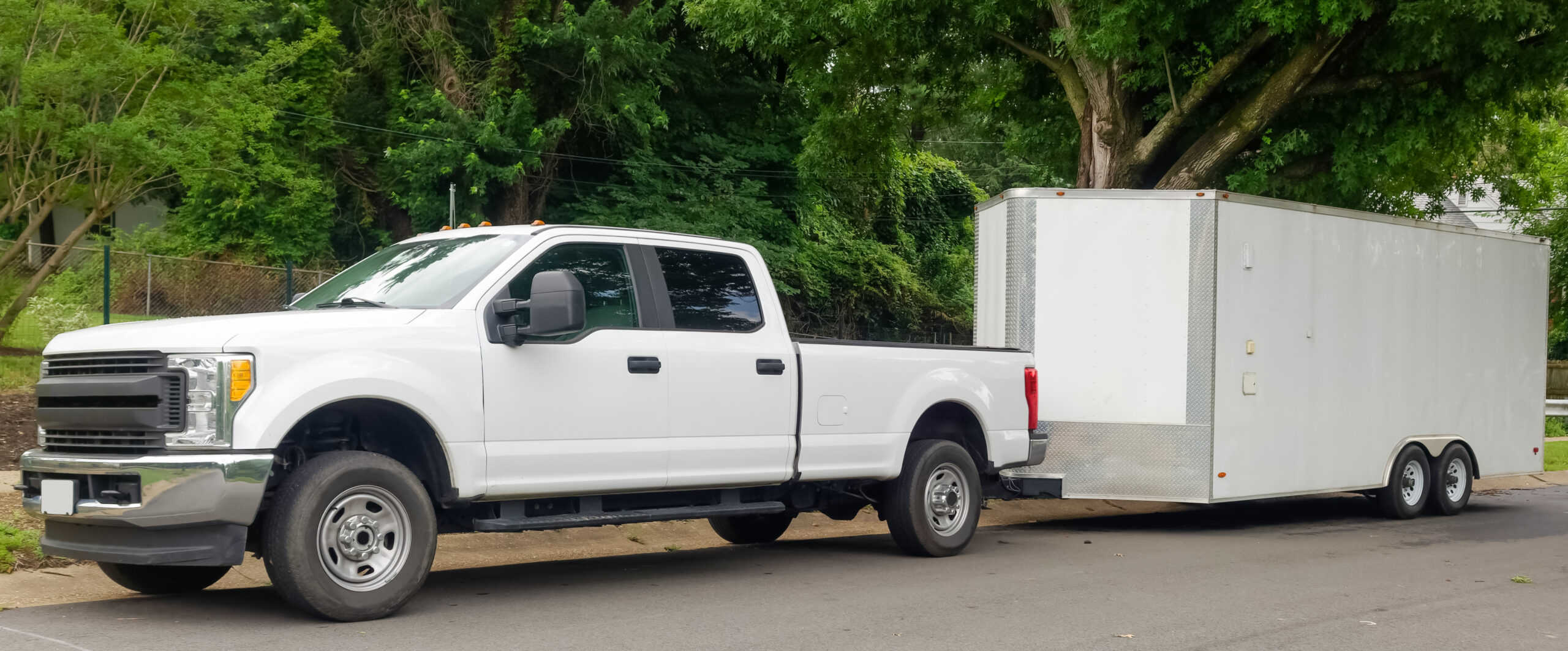
When a trailer is connected to a tow vehicle, there is an increase in the weight at the vehicle’s rear. This added force can change how the vehicle handles due to an imbalance of weight between the front and back of the vehicle. When this imbalance isn’t addressed, it can result in trailer sway as the vehicle and trailer are in motion. Trailer sway is dangerous and can cause an accident, damaging your trailer, your vehicle, or even yourself or other drivers on the road. 

The Components of a Weight Distribution Hitch

There are 3 main components that make up the actual weight distribution hitch. 

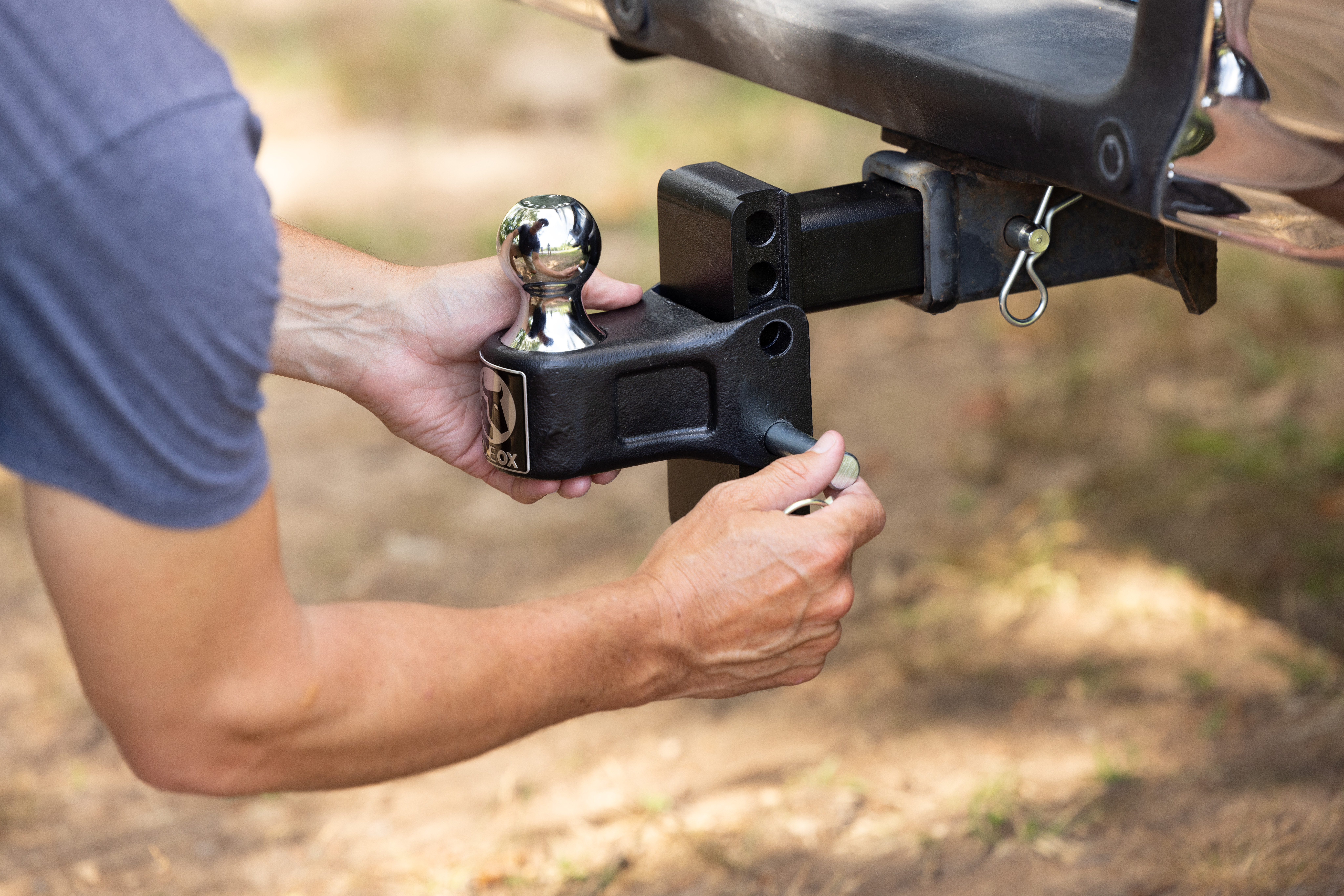
  • Ball Mount: This is part of the tow vehicle that looks like a round ball.
  • Hitch Receiver: This is a type of trailer hitch that bolts onto the underside of the tow vehicle.
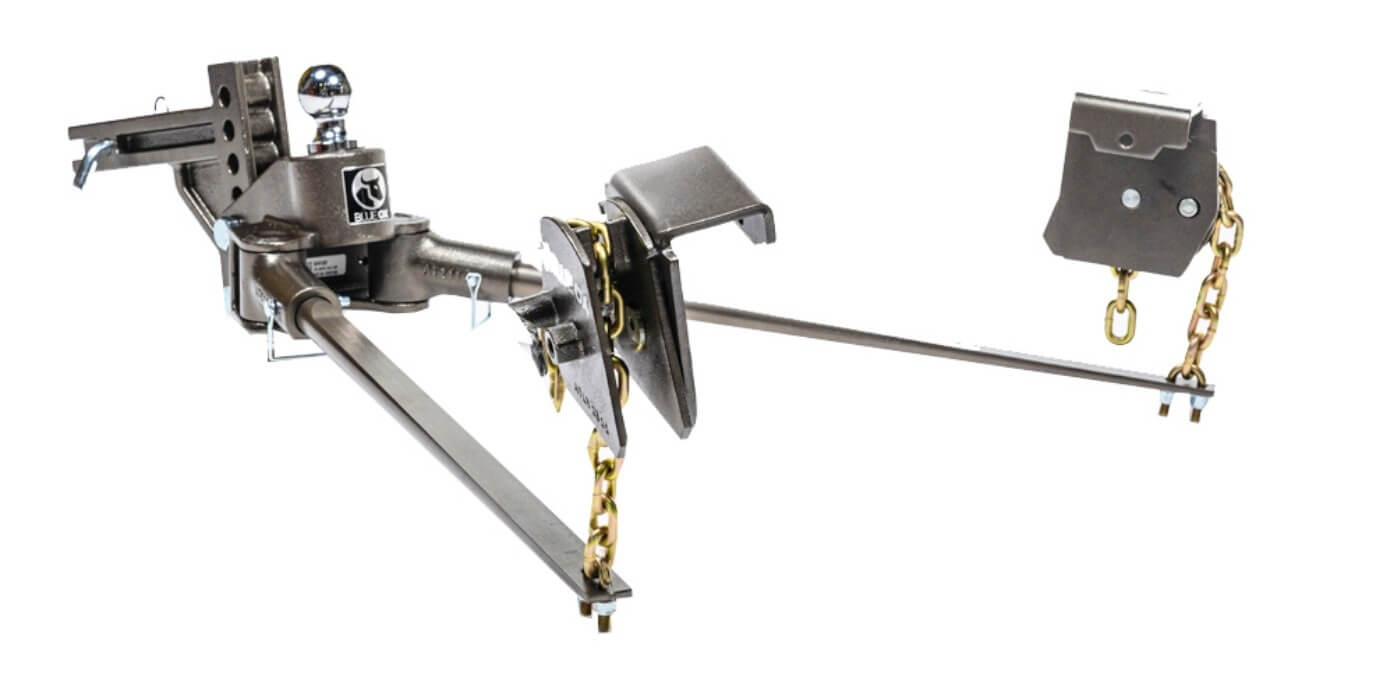
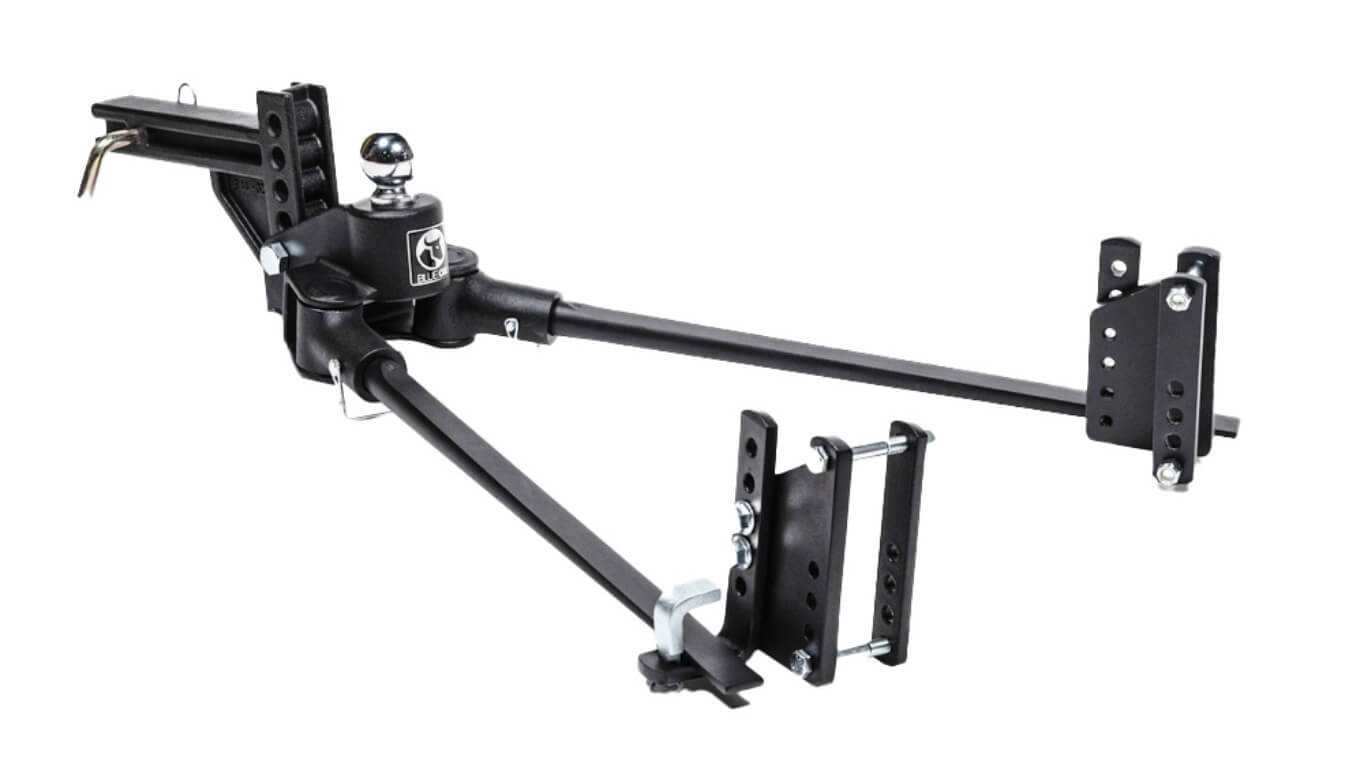
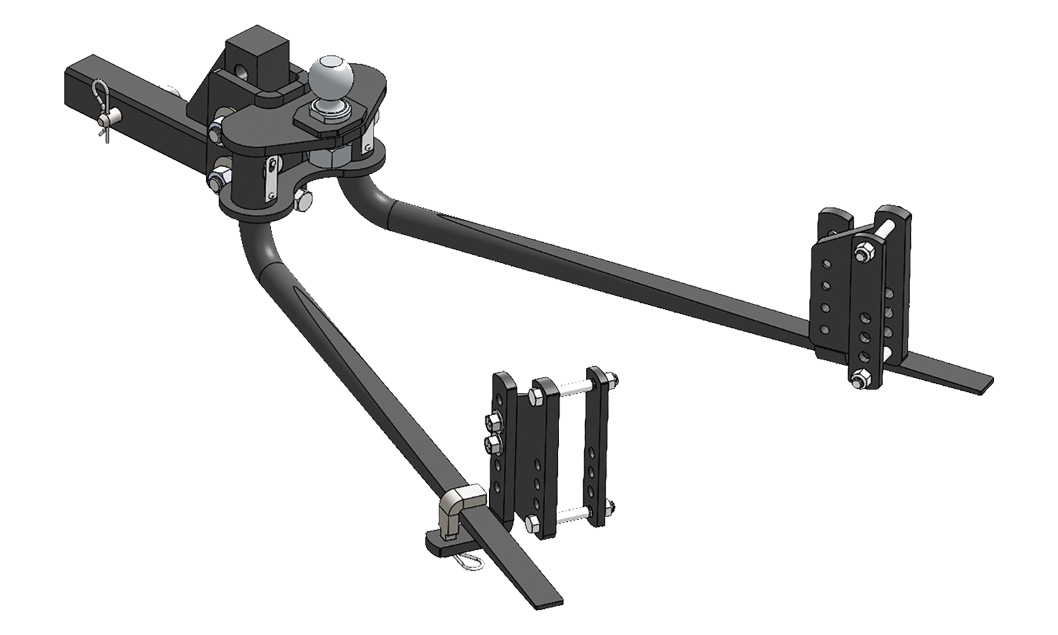
  • Spring Bars: The spring bars are a vital part of the weight distribution hitch. They are what helps force the trailer to stay in line with the towing vehicle. 

How A Weight Distribution Hitch Prevents Trailer Sway

Preventing trailer sway might be one of the most important reasons to use a weight distribution hitch. Trailer sway can be caused by a number of factors such as uneven weight distribution, sudden gusts of wind, passing a large truck on the highway, or bad weather conditions. When traveling at high speeds, like on a highway, if the trailer begins to sway, it can rapidly gain momentum and regaining control can be quite the challenge. With a weight distribution hitch installed, the spring bars are continually working to keep the trailer in line with the tow vehicle by adding pressure on one side of the other. 
Common Mistakes When Using a Weight Distribution Hitch

Even with a solid understanding of how a weight distribution hitch works, small setup mistakes can reduce its effectiveness or even create unsafe towing conditions. Many issues drivers experience on the road come down to improper adjustment or overlooked details during installation. Avoiding these common mistakes goes a long way in improving safety, control, and overall towing performance.

Not Adjusting Spring Bars Correctly

The spring bars are what actively distribute weight and help control sway. If they aren’t tensioned properly, the hitch won’t transfer enough weight to the front axle of the tow vehicle. Too little tension can lead to continued rear sag and poor steering response, while too much tension can create a harsh, overly rigid ride.

Ignoring Tongue Weight Limits

Every setup has a recommended tongue weight range, and exceeding it can compromise both your hitch and tow vehicle. If the tongue weight is too heavy or too light, the hitch won’t function as intended. Understanding how a weight distribution hitch works means recognizing that proper balance starts with staying within these limits.

Skipping Initial Measurements

One of the most overlooked steps is measuring your vehicle and trailer height before and after hookup. Without these baseline measurements, it’s nearly impossible to know if weight is being distributed correctly. This often leads to improper adjustments and reduced performance.

Over-Tightening or Under-Tightening the System

It’s easy to assume tighter is better, but that’s not always the case. Over-tightening can put unnecessary stress on components and reduce flexibility, while under-tightening won’t provide enough weight transfer. The goal is a level, stable setup, not maximum tension.

Assuming All Hitches Work the Same

Not all weight distribution hitches are built alike. Different systems have different adjustment methods, features, and levels of sway control. Taking the time to understand your specific hitch, especially premium options like SwayPro or TrackPro, ensures you’re getting the full benefit of how a weight distribution hitch works.

Choosing the Right Weight Distribution Hitch

Selecting the right setup is just as important as understanding how a weight distribution hitch works. Not every hitch is built for every trailer, and choosing the wrong one can lead to poor performance, uncomfortable towing, or even unsafe conditions. Taking the time to match your hitch to your specific towing setup ensures you get the full benefit of weight distribution and sway control.

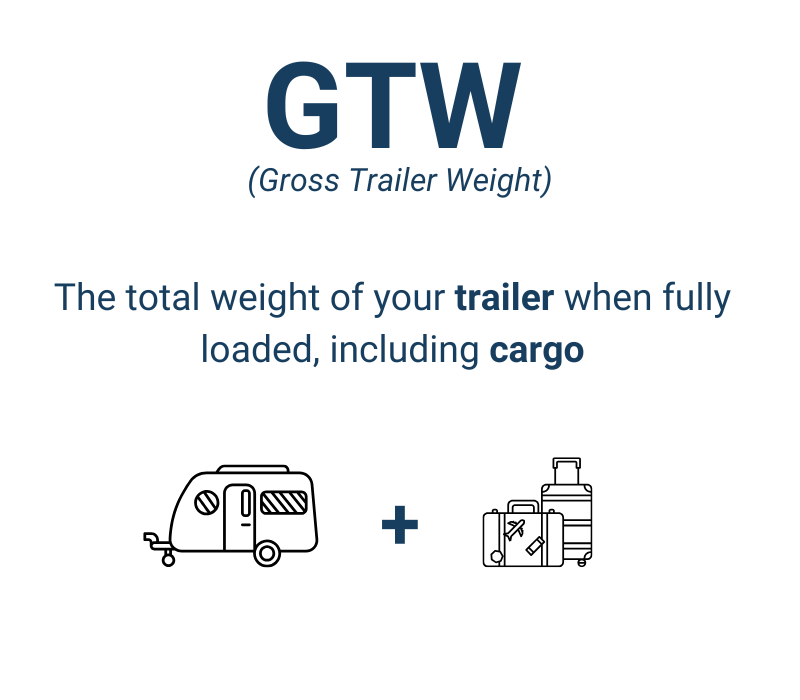
Consider Your Gross Trailer Weight (GTW)

Your gross trailer weight (GTW) is one of the first numbers you should look at when choosing a hitch. This includes the total weight of your trailer plus all cargo, gear, and fluids. A weight distribution hitch should always be rated to handle your GTW range. If your hitch is undersized, it won’t distribute weight effectively. If it’s oversized, it may not provide the proper tension needed for smooth towing.

Know Your Tongue Weight Range

Tongue weight plays a major role in how a weight distribution hitch works. Typically, tongue weight should be around 10–15% of your total trailer weight. Choosing a hitch that matches this range allows the spring bars to apply the correct amount of force, keeping your setup level and stable. Too much or too little tongue weight can reduce the effectiveness of the system.

Match Hitch Capacity to Your Setup

It’s important to match your hitch not just to your trailer, but also to your tow vehicle. Consider your vehicle’s towing capacity, rear axle rating, and suspension. A properly matched system will distribute weight evenly across both the trailer axles and the tow vehicle axles, improving control and braking performance.

Decide if Built-In Sway Control Is Needed

While all weight distribution hitches help improve stability, not all include built-in sway control. If you frequently tow in windy conditions, travel on highways, or haul larger trailers, integrated sway control is a major advantage. Systems like the SwayPro are designed to prevent sway before it starts, while the TrackPro offers a more traditional approach with reliable performance and straightforward setup.

Look for Ease of Installation and Adjustment

Not all hitches are equally user-friendly. Some systems require frequent adjustments or complicated setup steps, which can become frustrating over time. Choosing a hitch that is easy to install, adjust, and maintain makes a big difference, especially if you hook up and disconnect often.

Blue Ox Weight Distribution Hitches

Blue Ox offers three different weight distribution hitches, each with its own strengths.

SwayPro: designed for proactive sway prevention.

Instead of reacting after sway begins, it uses constant spring bar tension to keep your trailer aligned with your tow vehicle at all times. This makes it a strong choice for highway driving, long trips, and heavier trailers where stability is a top priority. It’s also known for its quiet operation and the ability to back up without disconnecting.

TrackPro: dependable performance.

It offers a more traditional weight distribution approach with and focuses on evenly distributing weight across your axles while still providing effective sway control. This system is a great fit for everyday towing, especially for those who want a straightforward setup that’s easy to adjust and maintain without sacrificing safety.

2-Point Weight Distribution Hitch: a simple, no-frills option.

BlueOx 2-Point Weight Distribution Hitch

It uses a two-point connection system to distribute weight and reduce sway, making it ideal for lighter trailers or occasional towing. If you’re looking for an entry-level solution that still improves handling and control, the 2-Point is a practical choice.

Get a Weight Distribution Hitch Today

Before you take your next trip out with a trailer in tow, install a weight distribution hitch to ensure you make it to your destination safely. Blue Ox weight distribution hitches are easy to install and do not require you to disconnect before backing up. They each offer an easy to use design that makes hookup and disconnecting a breeze. Visit our website to learn more or to order yours today. 
Tags: trailer swayweight distribution hitch

Share

Keep Reading

Your Shopping Cart

[x] hide
Cart is Empty!!